Terracotta Figurines from Late Archaic Velia
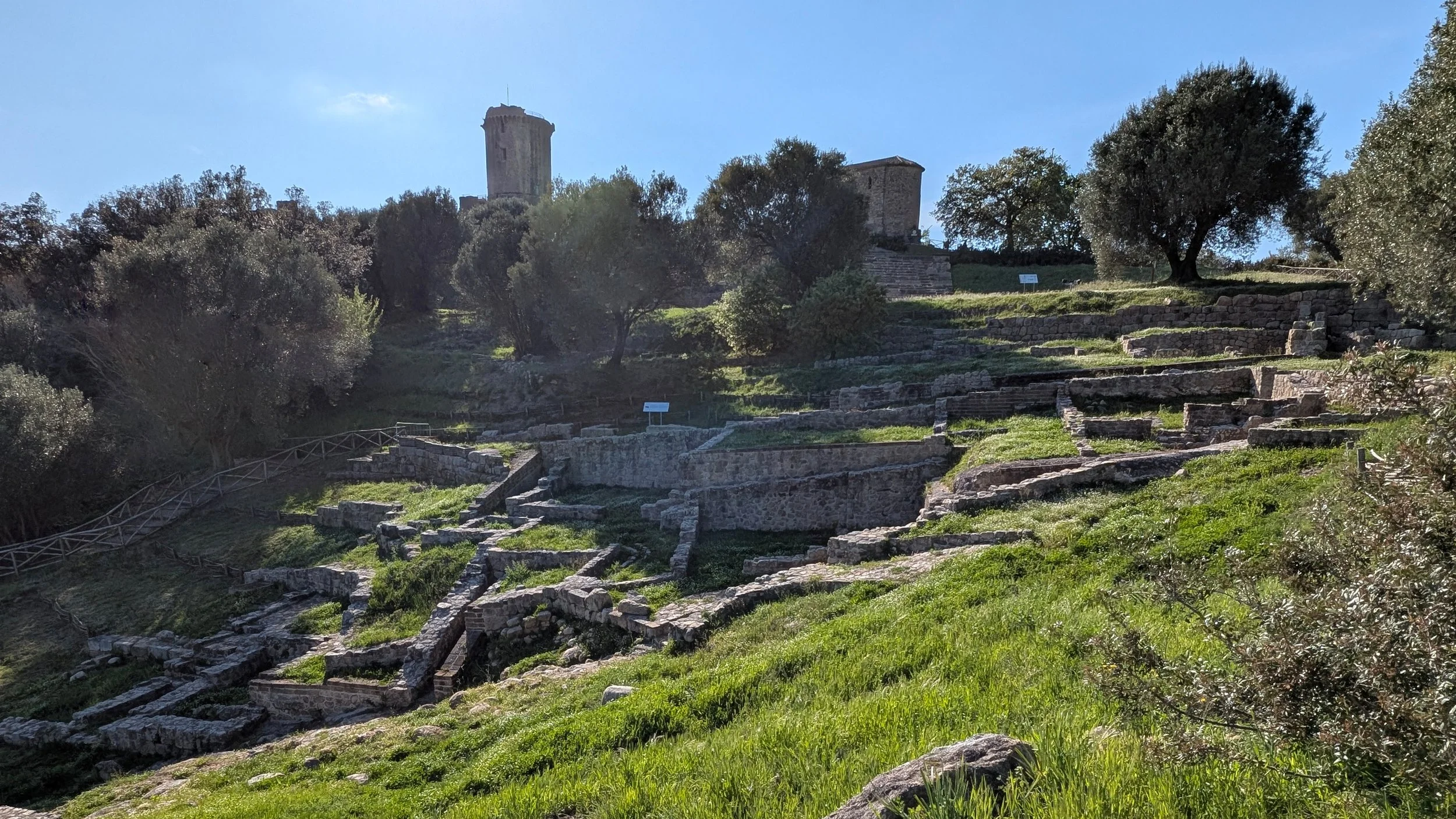
This project examines terracotta figurines from the late Archaic period in Elea/Velia to enhance understanding of the early phases of the Phocaean settlement. The material originates from Bernhard Neutsch’s excavations (1969–1977), which uncovered the largest known section of the earliest settlement on the southeastern slope of the Acropolis. Despite considerable interest in this formative period, publications of the finds and contexts remain absent. Verena Gassner (Vienna) is now systematically re-evaluating the Neutsch excavations using the material and available documentation. My sub-project focuses on approximately 50 terracotta figurines, including enthroned women, Sileni, and statuettes of horses, bulls, and other animals. These objects primarily come from the fill layer of the earliest residential settlement, known as the colmata, which formed during the abandonment of houses and the transformation of the Acropolis into an area with sacred and public buildings around 460/50 BCE. The project aims to establish a typological and chronological classification of the artefacts, reconstruct their original context, and integrate them into the stratigraphy and chronology of the areas excavated by Neutsch. The diverse terracotta assemblage raises questions about its origins: whether it is linked to the abandoned late Archaic houses and their inventories – possibly indicating domestic cult practices – or whether it represents debris from the Acropolis sanctuary, potentially resulting from the destruction of older votive deposits. More broadly, this sub-project seeks to contribute to the understanding of Velia’s early colonial phase, its urban spaces, and its religious life.