Politics of Pageantry: Elite Formation and Consolidation in Hellenistic-Republican Daunia
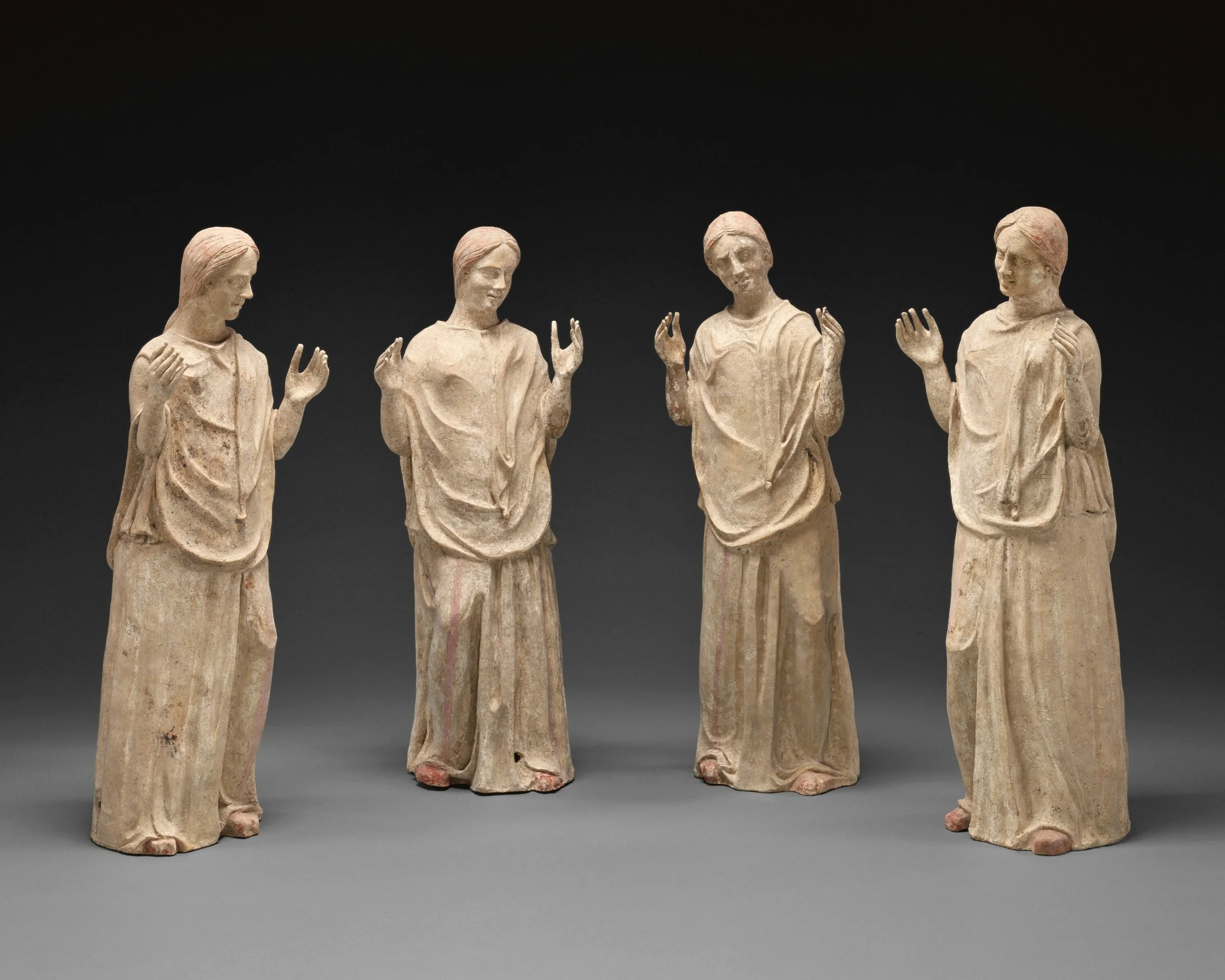
In Republican Rome, the elite developed a sophisticated political culture – encompassing funerals, festivals, rituals, councils, and processions – to assert their authority, reinforce their social status, and cultivate a sense of group identity. The visual, material, and performative aspects of this culture were crucial not only for representing power but also for stabilising and generating it. Similar mechanisms probably existed among the urban elites of non-Roman communities in Hellenistic-Republican Italy. While it is challenging to reconstruct these political cultures through textual evidence alone, archaeology can provide valuable insights. The project examines the strategies employed by elite families in Canosa in northern Apulia, focusing on their lavish funerary practices from the 4th to the 1st century BCE. By conceptualising elite status as a dynamic, contested set of roles, it examines how local families constructed historical narratives, displayed power and wealth, demonstrated supra-regional connections, and orchestrated public performances. Using various media in funerary ceremonies, the Canosan elite legitimised their position, navigated competition, and maintained their prominence under Roman hegemony.